
Perspective and executive presence
There are two types of skillsets that matter: problem solving and storytelling. Problem solving is a core part of what we do together—but the success or failure of our teams rests in how effectively we’re able to communicate, motivate, and create an environment where people can do their best work.
-
I believe clarity equals speed. The path to get there is unlikely to be straight and clear, but I thrive in situations where we need to organize chaos, prioritize, and make complex decisions to align strategy, product vision, and organizational design. My role is to help teams move from ambiguity to action, without losing sight of the humans doing the work.
-
My experience spans high-growth SaaS organizations, where I’ve led product design through scale, ambiguity, and transformation—partnering closely with CEOs, product, engineering, and go-to-market leaders.
-
Aligning exec teams around product strategy through the lens of our mission and vision.
Turning ambiguity into systems teams can execute.
Creating high performing, high culture teams that set a high bar and consistently exceed it.
-
Culture
“If we drop a molecule of water onto a block of ice, what happens? It freezes. If we drop that same molecule into a pool of water, what happens? It slushes around with all the other molecules.” (Safi Bachall, Loonshots)
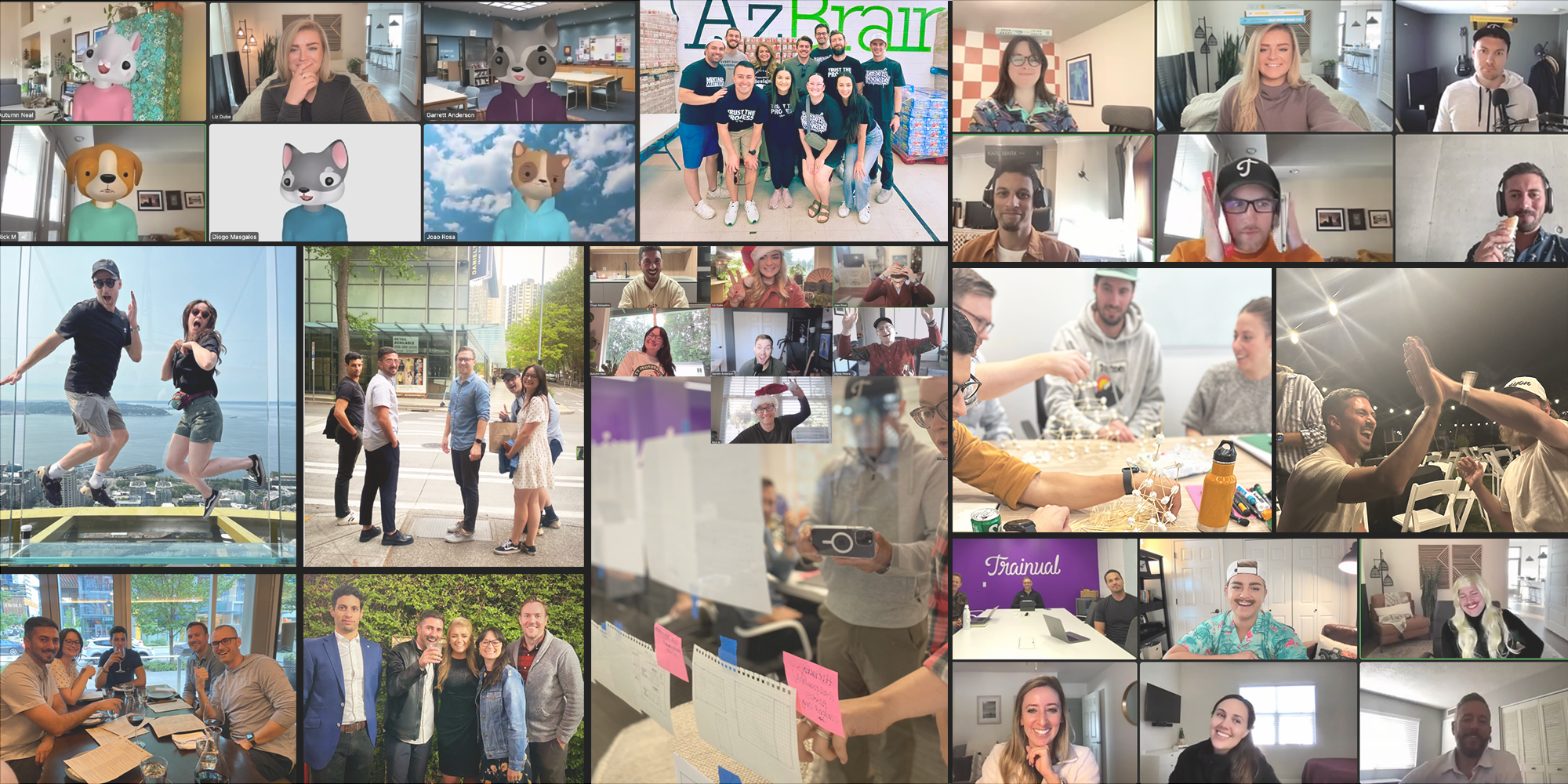
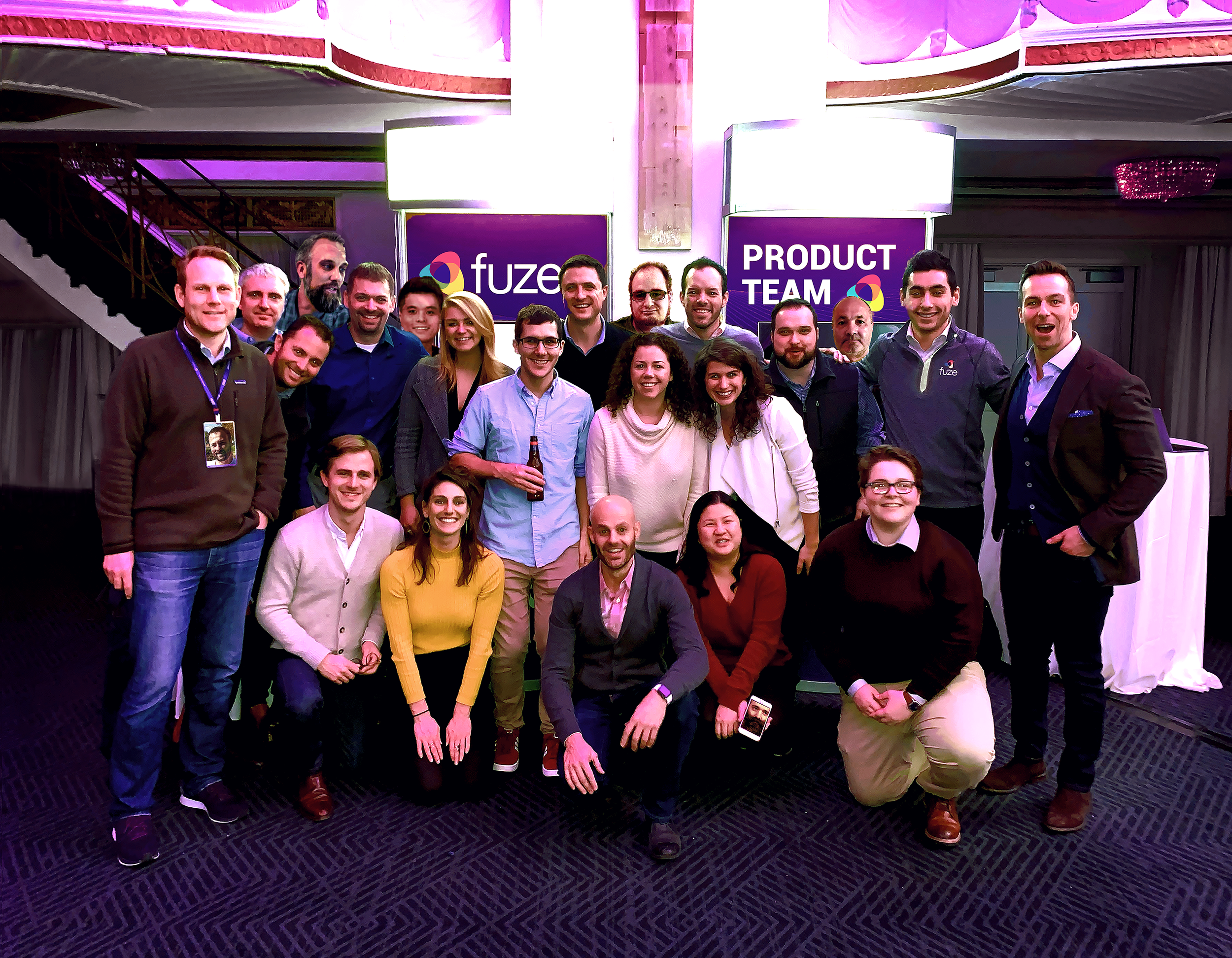
Never skimp on culture. At my latest company, the same designers created the disjointed designs of the past and the new modern app you see today. What changed? Culture and environment. -
Process
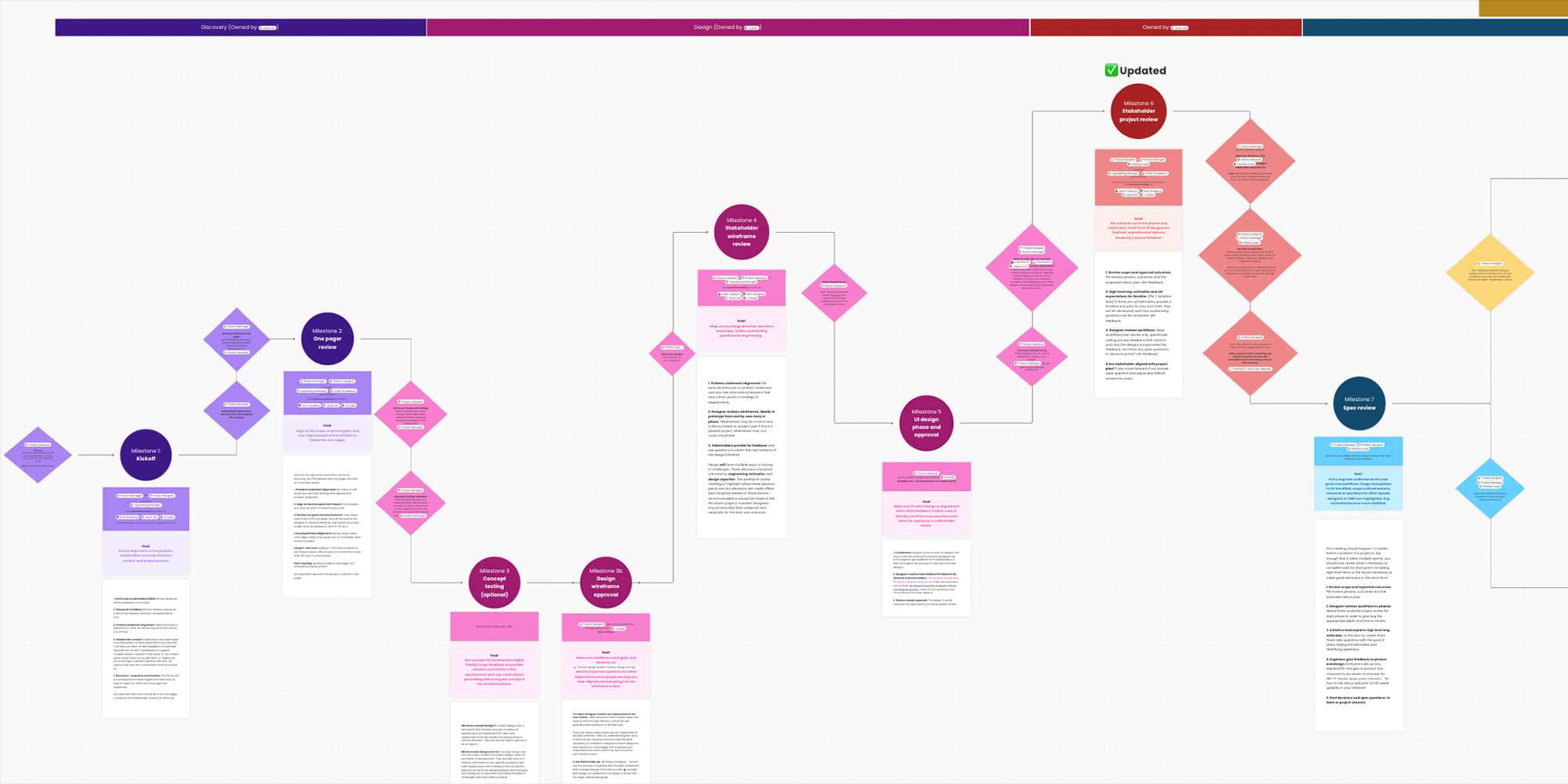
Autonomy is the key to incredible work. Consistency is a non-negotiable. You don’t have to choose between the two.
Hire smart people, set them up to win, and get out of their way. Processes and principles create the clarity needed to enable confidence, consistency, and speed of decision making, plus a lens to filter decisions through. When designers have the right tools, they build better products.
-
Systems
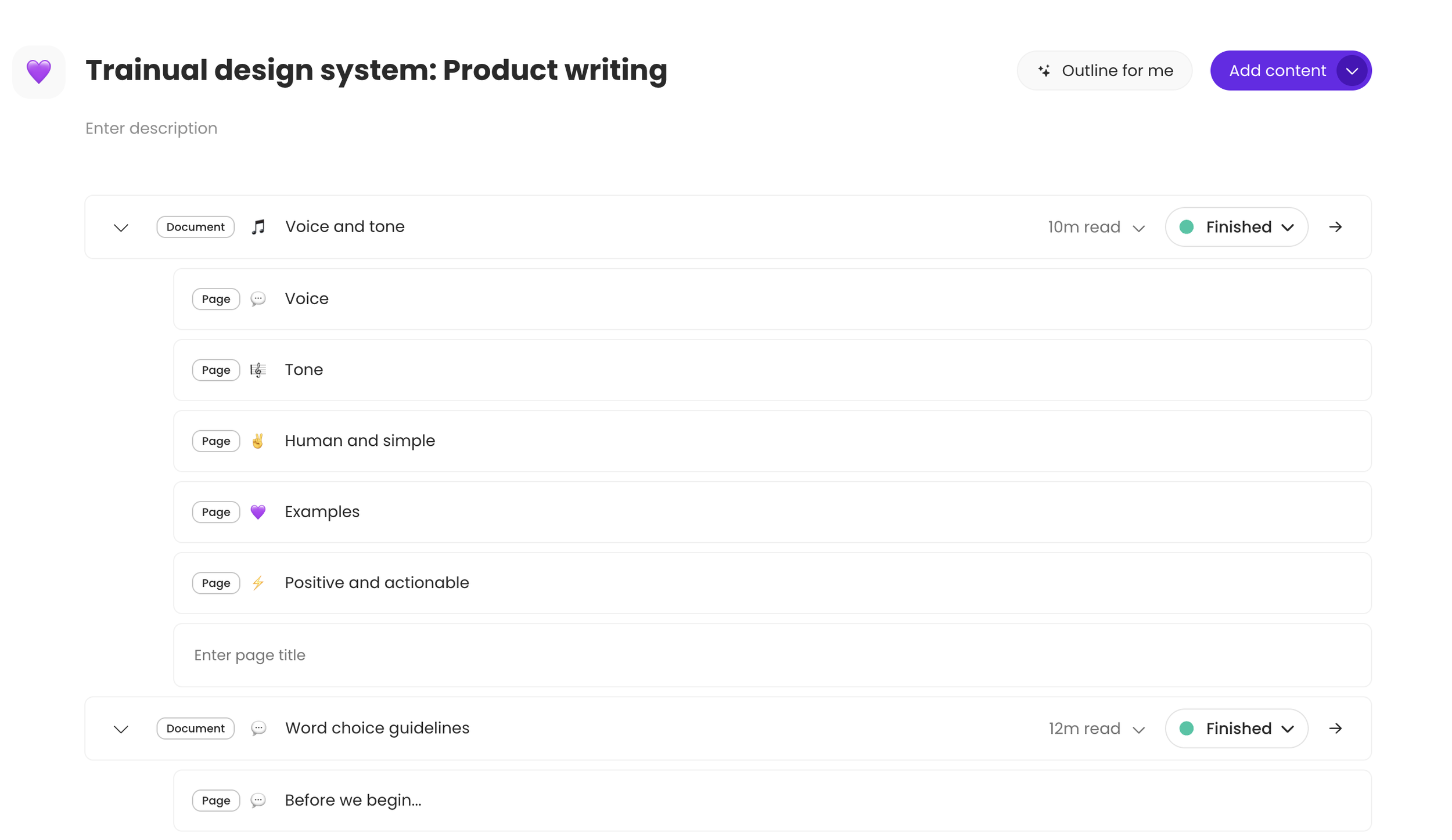
There is no “right” design system philosophy—only the one that’s right for you, right now.
Some design leaders may disagree with me on this, but I don’t believe in a formula. Systems are how you scale—but they’re not one size fits all. Your design system should be stage appropriate for the business and reflect your goals at every given stage. It’s a living breathing organism that should be challenged and assessed regularly.

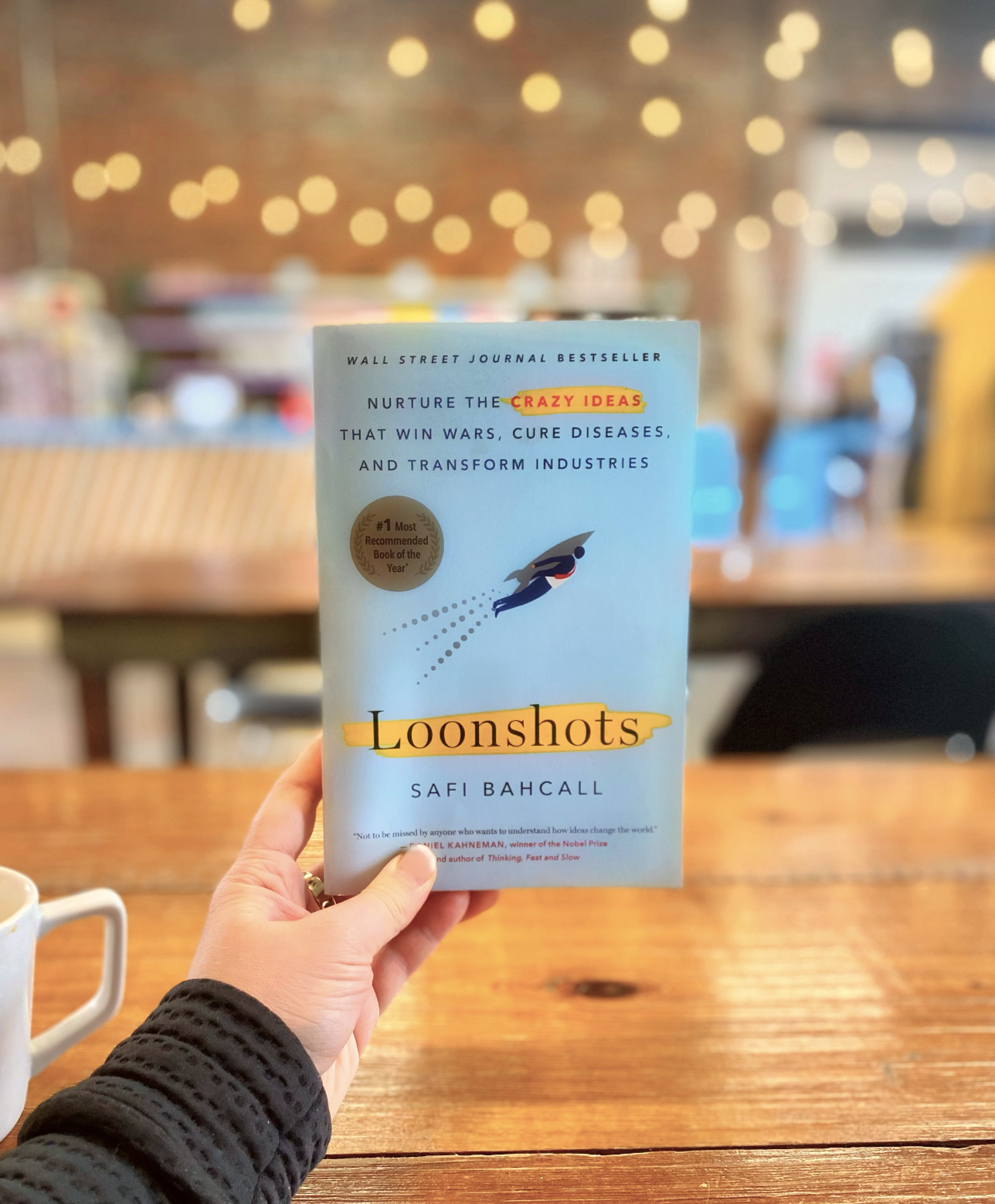
Books that have shaped my leadership philosophy
-
![]()
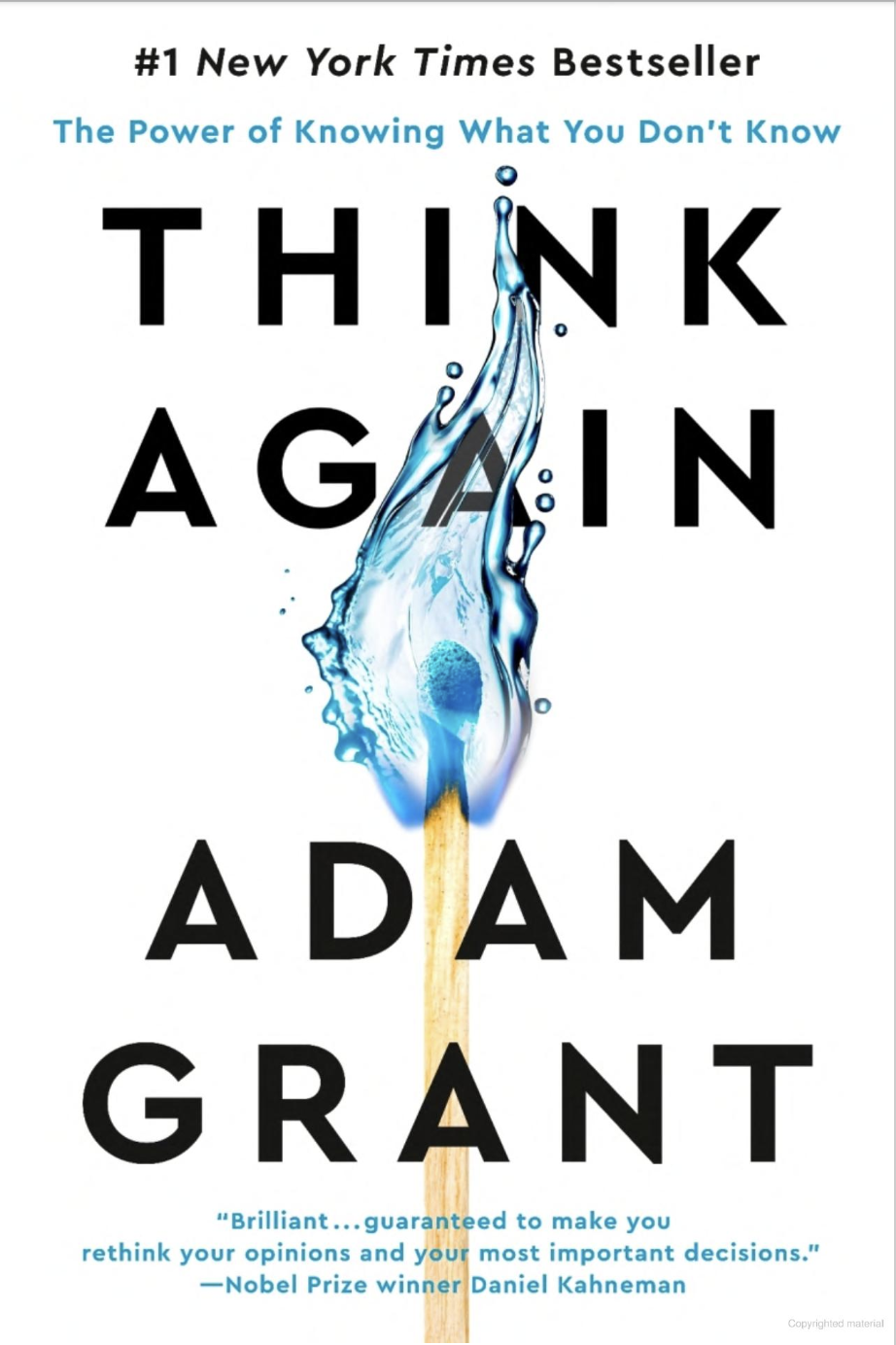
Think Again
Adam Grant
We fear what people think of us when we change our minds. You gain information with time and experience, changing your mind is not a sign of weakness, it is a sign of wisdom and strength.
-
![]()
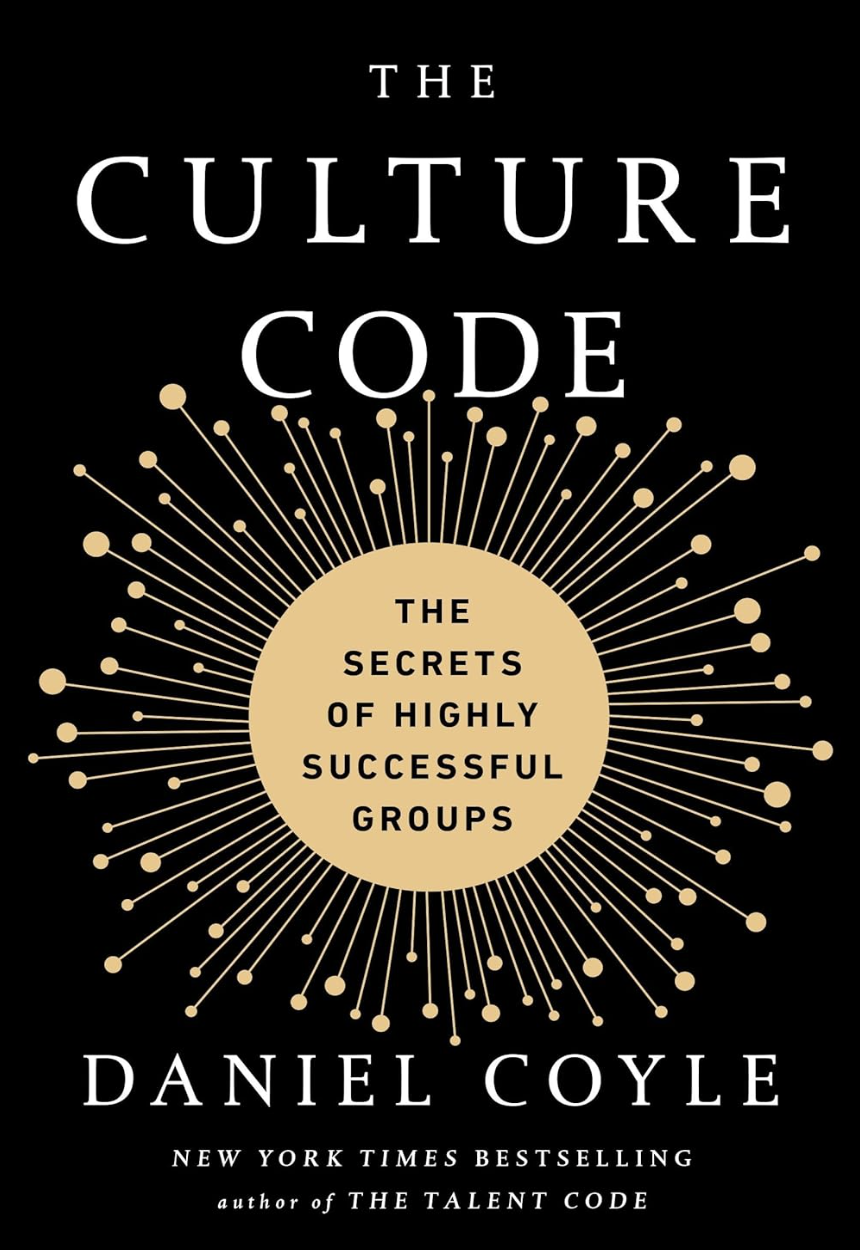
The Culture Code
Daniel Coyle
There are not words to describe how much this book has impacted my leadership journey. A disjointed design team will kill your product, and a safe, focused, purposeful one can lead it.
-
![]()
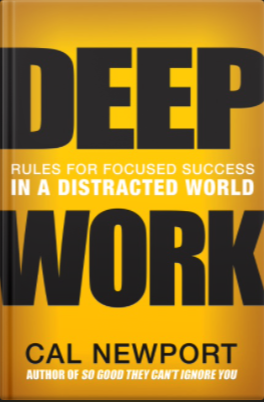
Deep Work
Cal Newport
Modern work and life is full of distractions. Somewhere along the line we traded the feeling of productivity for actual impact. Deep work is a mode we should all have.
-
![]()
Range
David Epstein
Our world praises specialists, there is a surprising reality that those with “range”, that have collected many skills and experiences over time, have outsized value in work and in life.
-
![]()
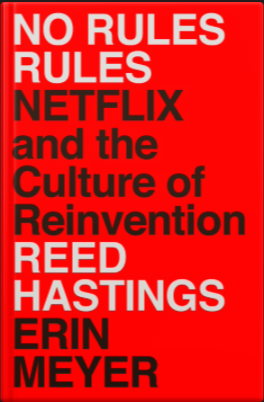
No Rules Rules
Hastings & Meyer
I heard Reed on a podcast and was inspired by his fast fails and iteration. Netflix culture is notorious, but there are so many lessons in talent density, candor and autonomy in this book.
-
![]()
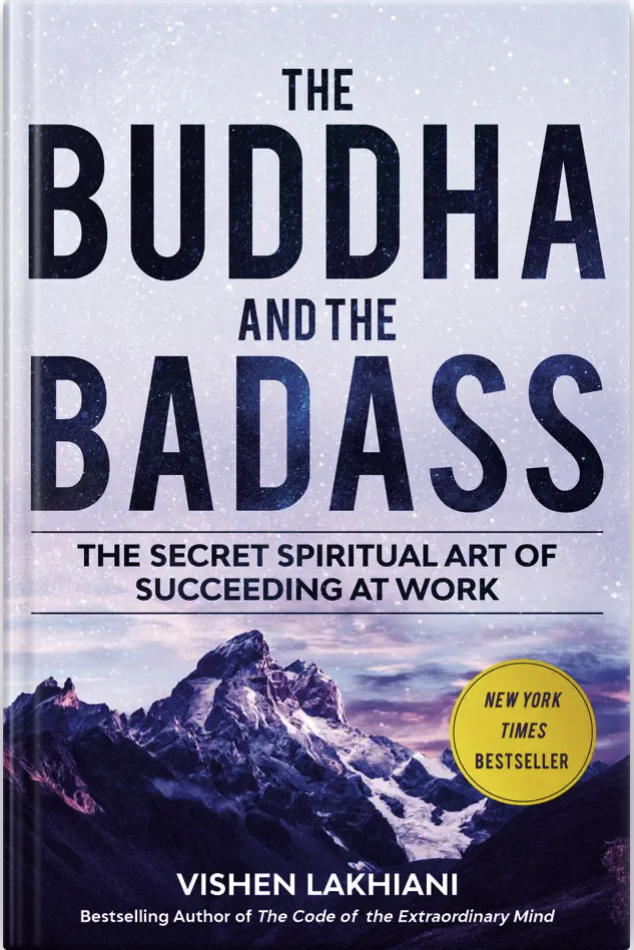
New List Item
Vishen Lakhiani
I am always interested in the tension of empathy, humanity and success. Being bold, intentional, and mastering the art of authenticity as you design work and life is an art form itself.
-
![]()
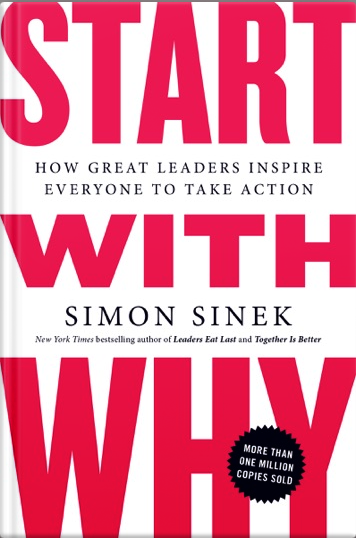
Start with Why
Simon Sinek
We often get caught up in the “How” or the “What” before understanding our purpose. Be ruthlessly clear about your “Why” and filter all of your decisions though that and the rest will follow.
-
![]()
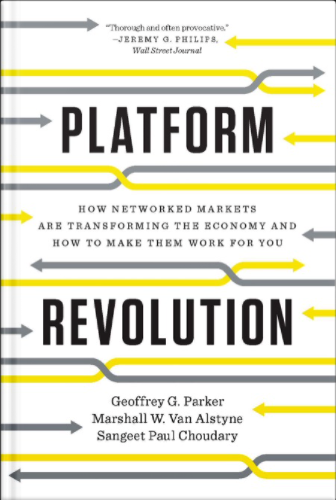
Platform Revolution
Parker, Van Alstyne, Choudary
Some of the most successful companies of our time have figured out how to build a two or 3 sided platforms or marketplaces that leverage network effects to optimize value.
-
![]()
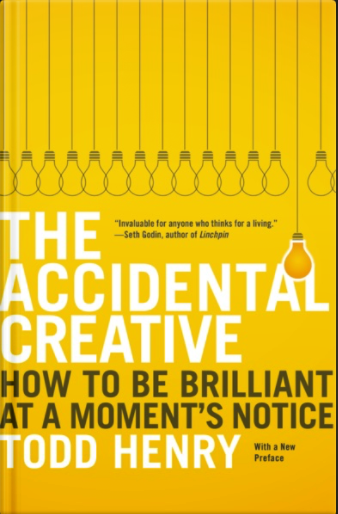
The Accidental Creative
Todd Henry
I have often been asked “Why are designers so hard to lead?” Being a creative in tech has unique challenges, and in this books honesty I felt seen, and even found some answers.
-
![]()
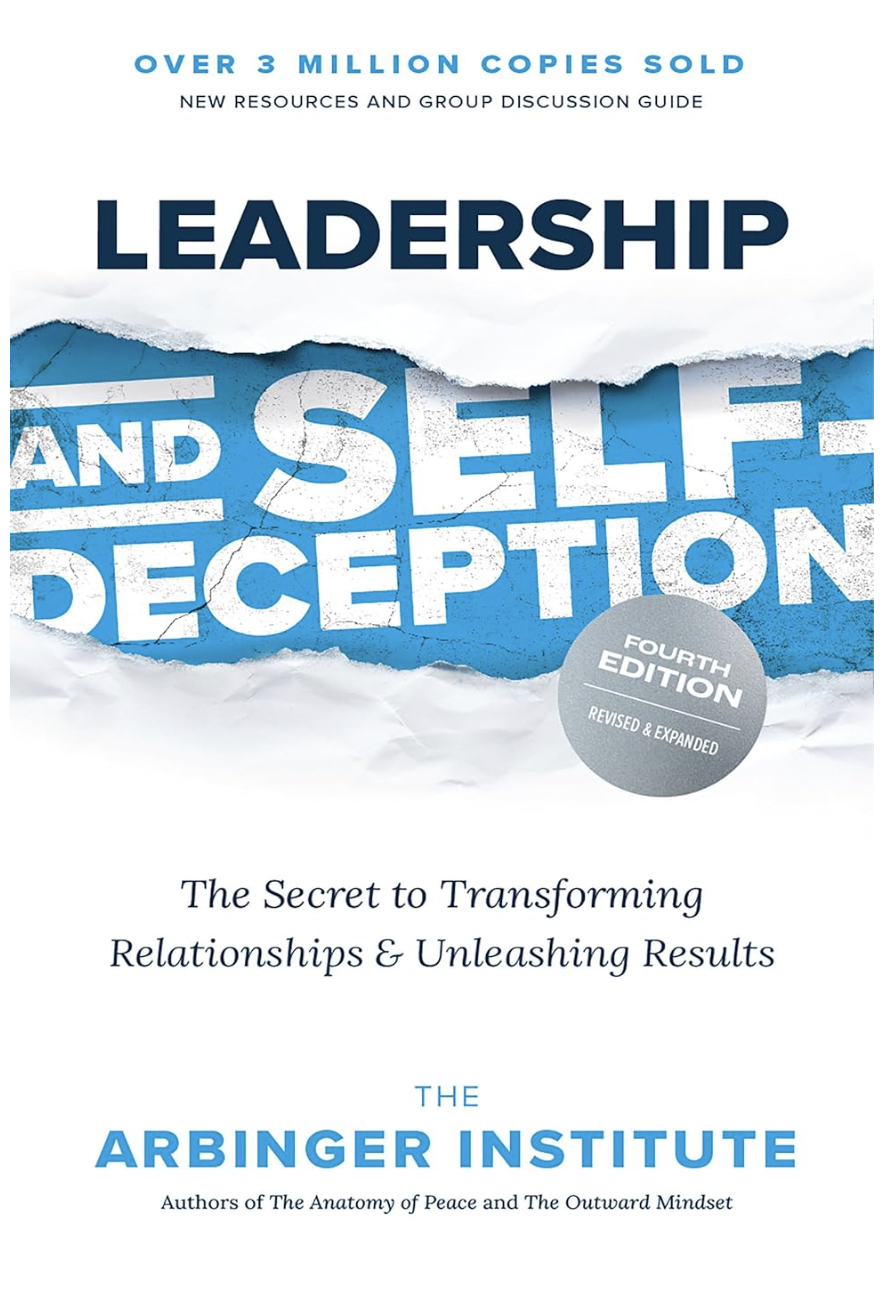
Leadership & Self-Deception
Arbinger Institute
Are you in the box, or out of the box? This books holds a mirror up not just to your outward actions towards others, but your inner thoughts as a leader and how they ripple through your days.

A note on product design & AI.
Design reinvents itself every few years—and the cycles are shortening. It would be hard to talk about leadership, SaaS, and product in 2026 without this note. I’d write an entire section on the topic, but by the time you read it half of it would have changed.
The world of product design has shifted dramatically over the last few years, and acutely over the last year. Many tools exist that bring more driven and design curious users closer to being a designer than ever before. Those same tools can augment the design process and make designers more efficient and powerful than ever. It’s not something to fear, it’s something to take every advantage of. It is a user expectation, and expectations on design teams have risen. It’s here to stay, and our competitive advantage remains the super-powered talent of our teams that know how to take advantage of it.